
Consensus — Why We'll Fake Agreement Forever Before Standing Alone
By Tancredi Cordero di Montezemolo
Why do smart people ever so often follow the crowd into disaster? It's our oldest shortcut: conformity saved our ancestors, but today it fuels bubbles, polarization, and fake consensus. Going along with whatever the crowd thinks feels safer. It's ingrained in our chimp brains from way back—millions of years of sticking close to the herd. Being alone meant you were lunch for something bigger, or you couldn't take down prey on your own, later on. No wonder we overweight what everyone else believes. Getting kicked out of the group used to mean probable death, either as feed or by starvation.
Solomon Asch's line experiments in the 1950s showed this starkly. People stared at something absolutely obvious: three lines, one clearly matching the standard. Yet they still picked the wrong answer because everyone else in the room had already chosen incorrectly. On average, participants conformed a third of the time. Only about one in four held out every single time. It wasn't blindness. Most knew the group was wrong but caved to avoid standing out or looking stupid. A few even started doubting their own perception because the others sounded so confident. Either way, unanimous social pressure overrode clear reality and personal judgment.
Asch's 1955 paper, building on his earlier work and popularized in the Scientific American piece "Opinions and Social Pressure," remains one of psychology's masterpieces. It gets replicated today because it captures something timeless: how fragile independence becomes when the whole room nods the other way. Peer pressure, groupthink, cults, polarized echo chambers—it's all there. We crave belonging so badly that sometimes we'll deny what's right in front of us just to stay in the pack.

Hardly any other study lets you intuitively grasp why politics around the world has turned so polarized and populist in the social media era. Platforms like X (formerly Twitter), Instagram, and TikTok supercharge Asch's dynamic on a massive scale. Algorithms feed us content that matches what we already like or engage with, creating digital rooms where the "whole room" is constantly nodding in agreement—often outrageously so. Likes, retweets, and viral pile-ons act like in Asch's observational study: they signal what's "normal" or "winning," making anyone with a divergent take feel instantly isolated (sometimes even stupid).
The result is a turbocharged spiral of silence mixed with vocal extremism. People who sense their view doesn't match the dominant online vibe shut up and self-censor—not because they've changed their minds, but because posting could mean a flood of attacks, unfollows, doxxing, being “cancelled,” or just looking like the odd one out in their feed. Meanwhile, the loudest, most extreme voices get amplified (outrage drives engagement, after all), so the perceived majority tilts further toward the fringes. What starts as a minority shouting gets mistaken for consensus, pushing moderates quieter and radicals bolder. We've seen this play out in elections from 2016 onward: populist surges thrive when supporters feel emboldened online while skeptics stay silent, afraid of the backlash. Cancel culture and deplatforming fears add extra pressure—step out of line, and you risk social exile in your digital tribe.
It's no coincidence that affective polarisation (hating the other side more than loving your own) has spiked alongside heavy social media use. The platforms don't just reflect division; they reward it, turning everyday politics into high-stakes conformity tests. Asch would recognize the pattern instantly: we're still the same humans, with a desperate instinct to belong, but now the room is global, always on, and engineered to make conformity feel inevitable. Yet this doesn’t seem to worry the broader public.

Zoom in closer, though, and that same instinct turns ugly. Elisabeth Noelle-Neumann's Spiral of Silence captures the dangers perfectly. If you feel your view is the odd one out—if you think most people disagree—you're far more likely to keep quiet. You don't even need to be in the actual minority. Perceiving isolation is enough. So you self-censor. When enough do that, the loud voices grow louder, while quieter ones fade. Public opinion shifts not because minds change profoundly, but because people stop uttering what they really think aloud. The spiral tightens, fueled by fear of being the outlier.
In finance, this spiral becomes peer pressure with a Bloomberg terminal. When Wall Street chants "bull market," the guy muttering "this thing's built on toothpicks and hopium" usually opts for discretion over getting fired. Why kill the vibe and the bonus pool when you can nod along and cash the check? Pre-2008, housing was the sacred cow nobody dared slaughter. Prices only went up, subprime was "innovative credit expansion," mortgage-backed securities were sprinkled with fairy dust, cocaine, Dom Perignon and rated AAA. Plenty smelled smoke, but almost no one wanted to yell "fire" while others cashed yacht-down-payment checks. Red flags stayed folded in desk drawers, leverage stacked like Jenga on Red Bull, and the bubble grew fatter until it popped.
Then the music stopped. Overnight, trashing Wall Street greed, deregulation cosplay, and shareholder value über alles became très chic. The spiral spun the other way: yesterday's heresy turned into today's TED Talk. Markets aren't just spreadsheets with feelings. They're giant, nervous high-school cafeterias. When the cool kids agree something's awesome, the smart ones who see cracks keep quiet, until the table flips, trays fly, and suddenly everyone's an expert on how doomed it always was. Classic human glitch: we'd rather be wrong together than right alone—or as they say in Italy where I am from: “mal comune mezzo gaudio.”

Also totalitarian regimes run on this spiral, and the crazy part is they barely lift a finger once it starts. They blast one big, unified story super loud ("the Leader's a genius," "traitors hide under every bed") until anyone privately thinking "this is nuts" feels lonelier than Tom Hanks in Cast Away. So they shut up. Silence gets mistaken for agreement, the regime looks even more popular, and power locks in tighter.
France right after the Revolution, during the Reign of Terror, offers an early blueprint. Robespierre and his crew made "terror the order of the day" official policy. Guillotines ran overtime. Neighbors denounced neighbors for looking suspicious. Vague laws let you execute someone for "enmity toward the Republic." Regular people knew the endless chopping and economic mess were insane, but who speaks up when the wrong word means your head rolls next? They kept quiet, mouthed revolutionary slogans in public, and let radicals assume everyone was fully on board. That fake consensus kept the killing machine running until it devoured Robespierre himself (or Jeffry Epstein and Harvey Weinstein).
Nazi Germany is why the spiral idea got invented. Noelle-Neumann wondered why so many normal Germans who hated what was happening never spoke. The Nazis flooded every channel: stadium-sized rallies, nonstop radio, posters everywhere, projecting total unity. Everyone Heil-ing, everyone cheering. If you harbored doubts about Jews, the war, anything, you saw that sea of raised arms and thought "I guess I'm the freak here." Speaking up risked the Gestapo at your door. Most zipped it. Mass quiet looked like mass love, letting Hitler's grip turn ironclad without constant street fights.
Stalin's Soviet Union played it meaner. The official line was sacred: glorious plans, evil enemies everywhere, Stalin the wise dad. You could grumble at home about famines or show trials, but public dissent? Good luck. Neighbors snitched, the NKVD listened, gulags waited. Everyone repeated propaganda like robots in public. That fake wall-to-wall support scared real opposition away before it formed.
Orwell's 1984 turned the nightmare into literature. The Party doesn't just beat you up. It makes independent thought feel impossible. Doublethink forces believing opposites at once and knowing both are true. Wrong words? Thoughtcrime. Telescreens everywhere, Big Brother watching 24/7. Newspeak shrinks language so rebellious ideas can't form. People police their own minds to survive. Winston rebels in tiny ways (diary, secret girlfriend) and gets crushed because solitary dissent is torture. By the end he's "cured" and loves Big Brother. Orwell drew from the French Terror, Stalin's purges, Nazi rallies. He saw how prolonged silence plus fear turns people into their own jailers. How many governments in power in 2026 does this narrative remind you of?
It's the grossest glitch in human nature: we'll fake agreement forever before risking standing alone and getting destroyed.
The sinking of the Titanic offers one of history's starkest illustrations of this phenomenon: as icy water crept across the decks, the band played on—cheerful tunes fading into "Nearer, My God, to Thee"—while many passengers clung to eerie normalcy, lingering in quiet accord with the music as death approached. We'll fake agreement forever before risking standing alone and getting destroyed.

The luxury fashion sector offers perhaps the most exquisite, if painful, illustration of that gross glitch in human nature: from 2022 onwards, the great maisons—Louis Vuitton, Chanel, Dior, Gucci, and their peers—embarked on a synchronized orgy of price escalation, lifting signature handbags and ready-to-wear by 50–70% or more in mere years, not through any renaissance in artistry, superior materials, or groundbreaking creativity, but simply because the others were doing precisely the same. It was herd pricing dressed up as “brand elevation,” a collective intoxication with fatter margins that everyone pretended stemmed from timeless heritage and unassailable exclusivity rather than the temporary delirium of post-pandemic excess liquidity and Chinese aspiration. Executives, in boardrooms and investor calls, sustained the polite fiction with talk of “strategic discipline” and “long-term value creation,” all while the real driver was fear of being the first to blink and surrender the illusion of infinite pricing power. Then reality intervened—the Chinese economy cooled, tariffs loomed, interest rates bit, and the broader consumer simply grew weary of paying Hermès prices for middling innovation—and the house of cards began to wobble, with sales volumes contracting, aspirational clients evaporating by the millions, and brands now scrambling to rediscover authenticity amid the wreckage of their own hubris. In the end, they will maintain this exquisite consensus of endless upward repricing forever, before any single maison dares to stand alone, restore true value through craft or daring design, and risk the annihilation of those gilded margins and the aura of untouchable superiority.

If the reader would kindly spare my idleness, I would indulge myself in summarizing it all with the wise words of two immortal giants, Charlie Munger and Mark Twain:
"If you don't work hard at trying to remain rational and you're constantly floating along caring terribly about what other people think, you're almost sure to be carried to folly by the folly of the crowd."
"Public opinion is held in reverence. It settles everything. Some think it is the voice of God."
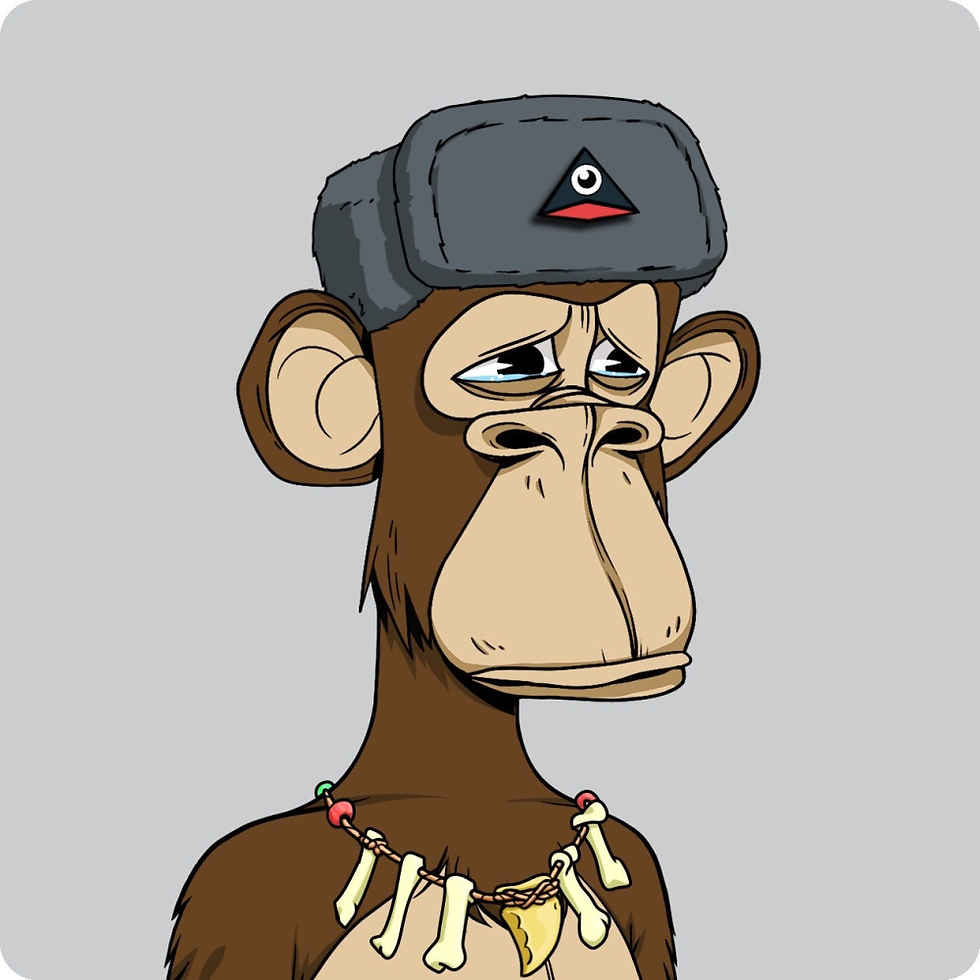
Humanity exists today not because apes followed the herd, but because one contrarian ape said “screw this” and walked upright while the rest stayed safely munching leaves.


The article highlights how deep-rooted social conformity still shapes our behavior, especially online, making true independence of thought rare and risky. https://excelpractices.online